
Raising Emotionally Whole Children in a Pressured World
Author: Leading and Love
Published: December 1, 2025
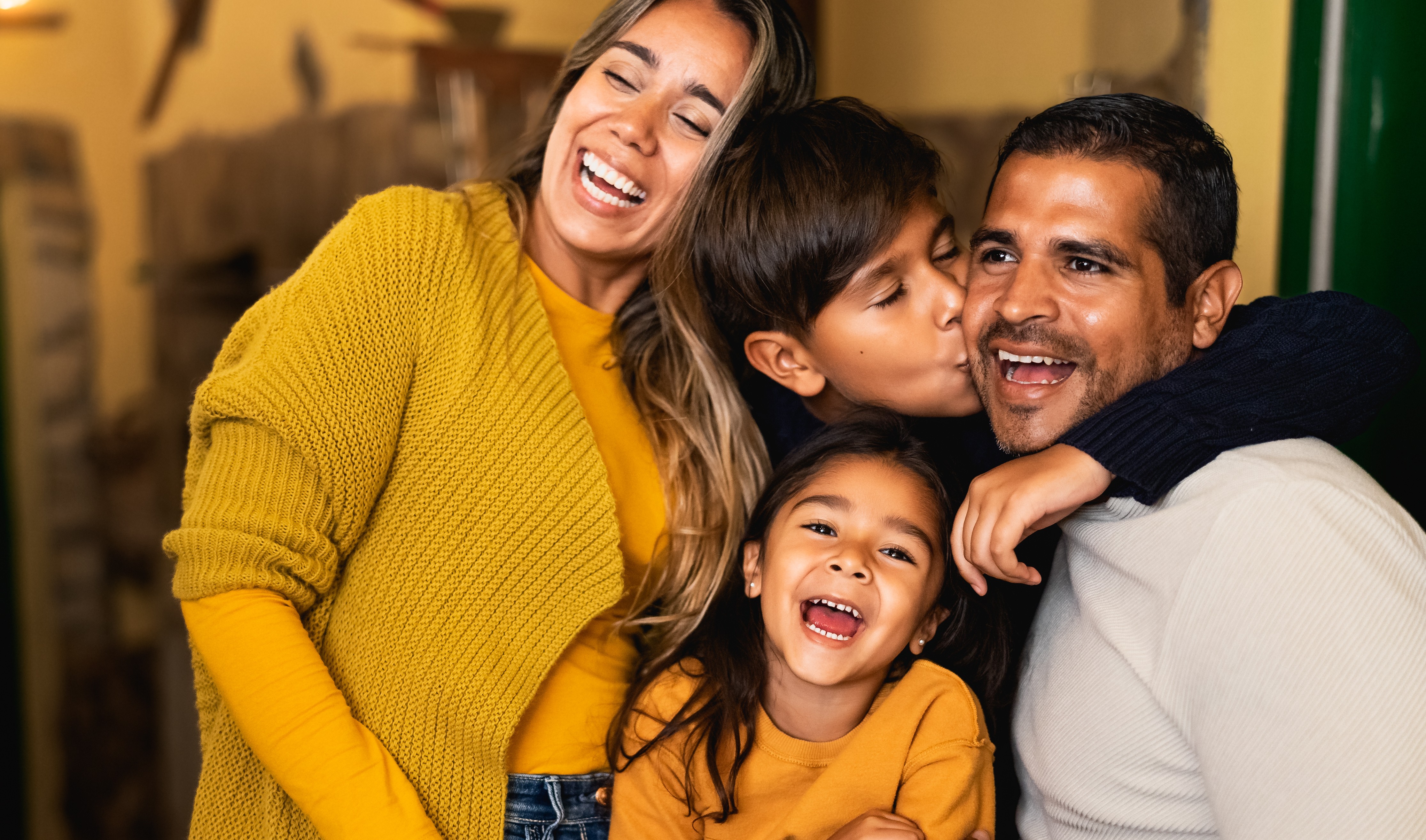
Today’s children are growing up in a world that moves faster than ever before — academically, socially, and digitally. Expectations begin early, comparisons are constant, and quiet moments of reflection are often replaced by constant stimulation.
For parents, the challenge isn’t just preparing children to succeed; it’s helping them stay whole while they do. Emotional wholeness — the ability to understand, regulate, and express feelings in healthy ways — is the foundation for resilience, confidence, and lifelong well-being.
Raising emotionally healthy children doesn’t mean shielding them from pressure; it means equipping them with balance, self-awareness, and the security of love that lasts longer than achievement.
The Pressure They Feel
Even in loving homes, children pick up on the pace and tension of the world around them. They sense our stress, hear our worries, and feel the subtle messages about performance, image, and perfection.
Many kids today feel pressure to achieve more, sooner — to excel academically, to stand out socially, to appear happy even when they’re struggling. This unspoken pressure often teaches them to measure worth by outcome rather than effort, and acceptance by performance rather than presence.
But emotional wholeness grows in environments where children know that who they are matters more than what they produce.
What Emotionally Whole Children Learn
Emotionally whole children aren’t perfect; they’re aware. They know how to name their feelings, ask for help, and recover from disappointment. They understand that sadness and joy can coexist, that mistakes are part of growth, and that love doesn’t disappear when life gets messy.
Parents and caregivers play the most critical role in shaping that understanding — not through lectures, but through modeling and daily rhythm.
Here’s what helps children stay grounded in a pressured world:
Model calm under stress.
Children mirror what they see. When adults respond to pressure with grace — pausing, breathing, and solving instead of panicking — children learn that calm is possible, even in chaos.Name emotions openly.
Instead of saying, “You’re fine,” try, “I can see you’re frustrated. Want to tell me about it?” Naming emotions helps children connect language to feeling — a lifelong skill for emotional regulation.Normalize imperfection.
Celebrate effort, not just outcome. Talk about your own mistakes and what you learned from them. This teaches that failure is not identity; it’s information.Protect rest and play.
Over-scheduling robs children of creativity and recovery. Create unstructured time for play, daydreaming, and nature. These moments nurture imagination and reduce anxiety.Prioritize connection over correction.
Rules matter, but relationship matters more. When discipline is guided by empathy instead of shame, children learn accountability without losing self-worth.
Emotional wholeness grows when children feel seen, safe, and supported — not only when they behave well, but when they don’t.
If you're parenting in a blended family, this course might be for you.

The Parent’s Emotional Mirror
Children often reflect the emotional climate of their home. That’s why parental wellness is the soil from which emotional wholeness grows.
When parents are overwhelmed, children internalize the message that life is something to endure. When parents model balance — taking breaks, expressing gratitude, apologizing when wrong — children learn that emotions are normal, manageable, and safe.
Parenting with emotional awareness doesn’t mean being perfectly calm; it means being honest and present. Saying, “I’m feeling stressed, so I’m going to take a few deep breaths,” teaches more than any lecture about mindfulness ever could.
Helping Children Navigate Pressure
As children get older, external pressure increases — grades, peers, sports, social media. The goal is not to remove all pressure, but to help them handle it with perspective.
Remind them regularly:
Pressure is temporary; character is lasting.
Success is not a straight line; it’s a process of progress and learning.
Rest is not laziness; it’s how the mind and heart recover.
Encourage reflection with simple questions:
“What felt good about today?”
“What was hard?”
“What helped you get through it?”
These small conversations build emotional literacy and reinforce the truth that they don’t have to perform to be loved.
Raising emotionally whole children is not about producing perfect kids — it’s about nurturing secure, grounded humans who can navigate life with compassion and confidence. It’s about teaching them to care for their inner world as faithfully as they chase goals in the outer one.
In a world that celebrates constant doing, families can become sanctuaries of being. When children grow up in homes where calm is modeled, emotions are named, and love is consistent, they develop resilience that no external pressure can undo.
Wholeness is the legacy worth passing on. Because long after grades are forgotten and trophies fade, what remains is how a child feels about themselves — and the steady, healing truth that they were loved, understood, and enough all along.