
Nourishment and Intimacy: How Shared Meals Strengthen Belonging
Author: Leading and Love
Published: April 1, 2026
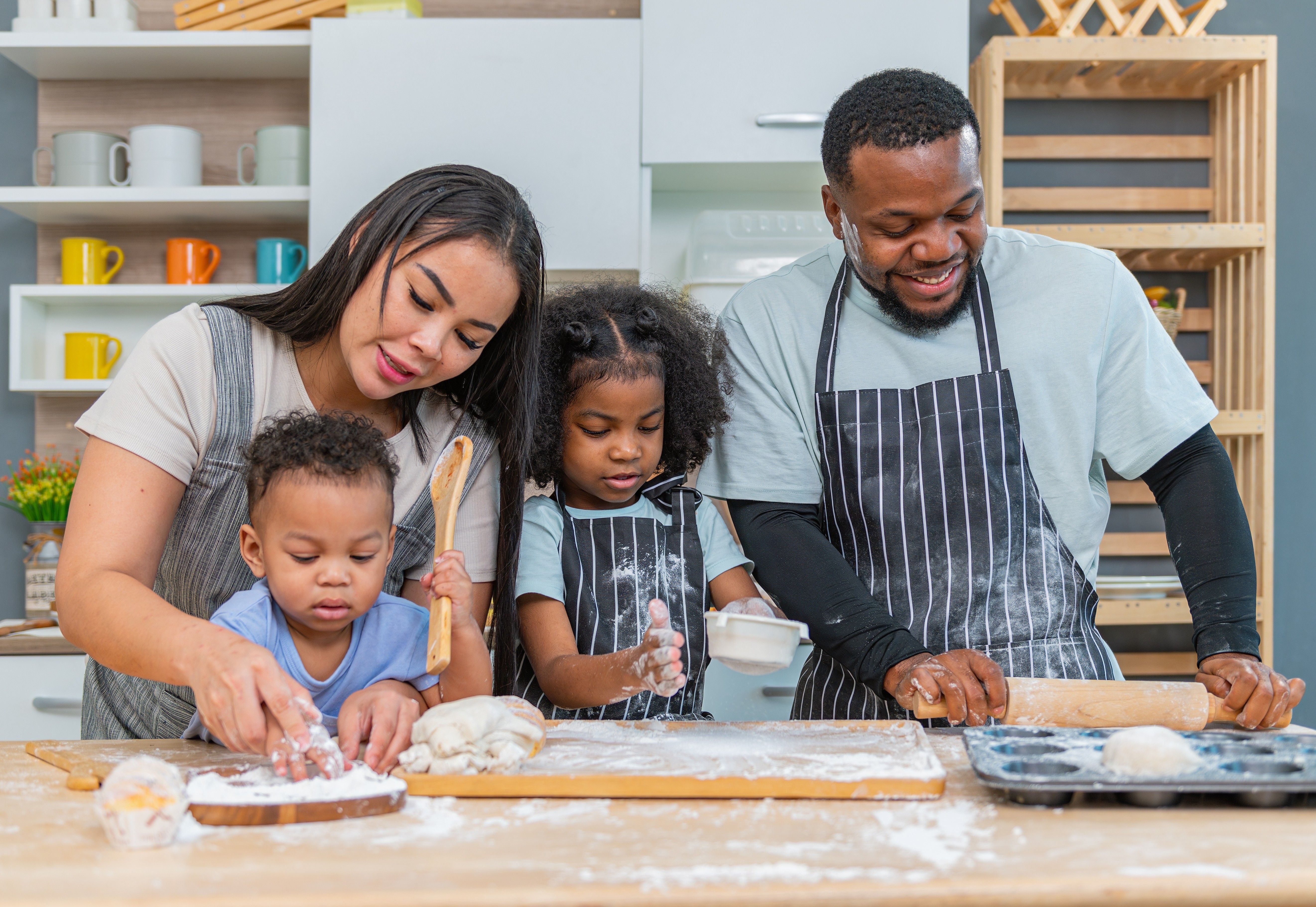
There’s a reason so many of our best memories have a table in the background.
Not because the food was flawless, but because someone was present. Someone lingered. Someone asked a question and waited for the real answer. In a world that rushes us from one obligation to the next, a shared meal is one of the simplest ways to say, “You matter enough for me to slow down.”
For married leaders, especially, intimacy can start to feel like something we schedule and still miss. We may live in the same house, share the same calendar, and carry the same responsibilities—yet feel oddly disconnected. And often, it’s not because love is gone. It’s because the daily “touchpoints” that make love feel close have gotten crowded out.
One of the most overlooked touchpoints is the meal.
Shared meals do more than fill stomachs. They build belonging. They create emotional safety. They give marriage a daily doorway back to connection—without requiring a weekend away or a perfectly planned date night.
Why the table is more powerful than we think
Meals are a natural gathering point—one of the few times we can face each other without an agenda. That’s why family and relationship researchers pay attention to them.
The American Academy of Pediatrics notes that shared mealtimes give families a chance to talk and express love and concern, and links family meals to a range of positive outcomes for children’s mental health and development.
And the impact isn’t only for kids. A systematic review of family meal frequency found that frequent family meals are associated with better psychosocial outcomes for children and adolescents—and emphasized that recommending regular family meals carries few risks and meaningful potential benefits.
From a relational perspective, shared meals help in a few specific ways:
They create predictable togetherness
Belonging grows when connection is consistent, not occasional. The table becomes a weekly—or even daily—“we come back to each other” moment.
They strengthen emotional literacy
When we tell stories about our day, we practice naming feelings. When we listen, we practice empathy. Over time, this becomes a household language: we talk here.
They reduce isolation
Even when everyone is tired, sitting together signals, “You’re not alone in this life.”
The benefits show up in measurable ways too. The American Psychological Association has highlighted how regular family dinners are associated with lower rates of depression and anxiety and lower risk behaviors in youth, while also supporting stronger connection.
But beyond the research, the spiritual truth is simple: the table is a place of return. It mirrors the heart of God—welcoming, steady, nourishing.
Intimacy grows where attention lives
Intimacy isn’t only physical closeness. It’s the feeling of being known.
And “known” is built in small, ordinary moments:
the way your spouse looks up when you speak
the way you ask a follow-up question instead of scrolling
the way you pause long enough to notice what’s underneath “I’m fine”
Shared meals create space for those moments. Not because the meal itself is magical, but because it’s a repeated opportunity to offer attention—a form of love that never goes out of style.
If your household is busy, you may be thinking, We can’t do long dinners. That’s okay. Belonging doesn’t require length. It requires consistency.
Even 15 minutes at a table, a counter, or the edge of the couch can be a powerful “home base” if it’s protected and practiced.
What shared meals do for married leaders
If you lead a lot, you’re often carrying other people’s needs all day. You make decisions, hold vision, manage conflict, stay composed. By the time you’re home, your capacity is thin.
That’s why shared meals are so important for leaders: they help your nervous system downshift into relational mode. They signal, “We’re not performing now. We’re being together.”
And for your marriage specifically, meals can quietly restore:
communication (natural conversation starters, daily check-ins)
trust (predictable presence and follow-through)
harmony (a shared rhythm that lowers household chaos)
joy (small laughter, shared stories, warmth without pressure)
In other words, the table becomes a low-pressure path back to connection.

How to turn meals into belonging rituals
You don’t need to overhaul your life. You need a few small practices you can keep.
Create a “start” and “end”
A simple opening—gratitude, a short prayer, a shared “deep breath”—sets the tone. A simple closing—one appreciation, one plan, one blessing—helps the moment feel complete.
Ask one question that goes deeper than logistics
Try prompts like:
“Where did you feel supported today?”
“What was the hardest moment?”
“What made you laugh?”
“What do you need tomorrow to feel steadier?”
These questions invite emotional presence without forcing a heavy conversation.
Protect the table from the biggest intimacy thief
For most of us, it’s the phone. Not because phones are evil, but because attention is finite. Consider a simple boundary: phones away for the first ten minutes. Even that small shift changes the emotional quality of the meal.
Keep it realistic
Some nights are chaotic. Kids melt down. Work runs late. Someone burns the rice. Belonging doesn’t require perfect meals. It requires a predictable attempt at togetherness—and a willingness to repair when the moment goes sideways.
For couples without kids: shared meals still matter
Belonging isn’t only a parenting concept. It’s a marriage concept.
If you’re a couple without children, meals can become a daily “mini-date” rhythm:
cook together once or twice a week (collaboration builds unity)
try a “rose and thorn” check-in over dinner
light a candle or play soft music to change the atmosphere
pray together for one minute (faith as a gentle anchor, not a performance)
The point is not to manufacture romance. The point is to create a steady space where closeness can breathe.
When shared meals feel hard
Sometimes meals are difficult because the relationship is strained. Silence at the table can feel louder than silence anywhere else.
If that’s your reality, start smaller:
sit together for the first five minutes, even if you don’t talk much
offer one kind statement (“I’m glad we’re sitting down”)
choose one neutral topic (a show, a memory, a shared plan)
end with a simple repair line if needed: “I know things feel tense. I want us to keep trying.”
Small steps count. Especially in hard seasons.
Conclusion
The table won’t solve everything. But it can soften everything.
Shared meals are one of God’s quiet gifts—ordinary, repeatable, available. A place where nourishment becomes more than food, where conversation becomes more than updates, and where intimacy becomes more than a wish.
If you want belonging in your home, you don’t have to start with grand changes. Start with a chair. Start with a plate. Start with presence.
And then come back tomorrow.